Alberta geothermal planning guide
Geothermal heating controls indoor temperature, while ventilation helps manage fresh air and indoor moisture. If an Alberta home feels dry or develops window condensation in winter, review the ventilation system and moisture sources alongside the heating controls.
Discuss your projectHeating and ventilation have different jobs
A warm house can still have a ventilation problem. A heat pump circulating indoor air does not, by itself, demonstrate that the home receives enough outdoor air. Ask your contractor to explain the actual fresh-air route, exhaust route and controls in your home.
Natural Resources Canada describes HRVs as devices that exchange stale indoor air with fresh outdoor air while recovering heat. ERVs also transfer moisture. Which arrangement suits a home depends on the building, climate, occupancy and design.
Our residential geothermal page introduces the heating system; ventilation needs its own design discussion.
Measure the problem before changing settings
Keep a short log of indoor humidity, room temperature, outdoor conditions and the places where condensation appears. Note activities such as cooking, showers, laundry and drying clothes indoors. A single reading beside a supply register is less useful than a consistent record from normal living areas.
Window condensation does not identify one universal cause. Moisture production, ventilation, air leakage and the window’s surface temperature may all contribute. Likewise, a dry sensation does not prove that the geothermal system is defective.
Bring the log to your contractor. Ask for a target and control strategy suited to the home and weather, rather than copying an internet humidity setting that may not suit your windows or construction.
Check the ventilation arrangement and controls
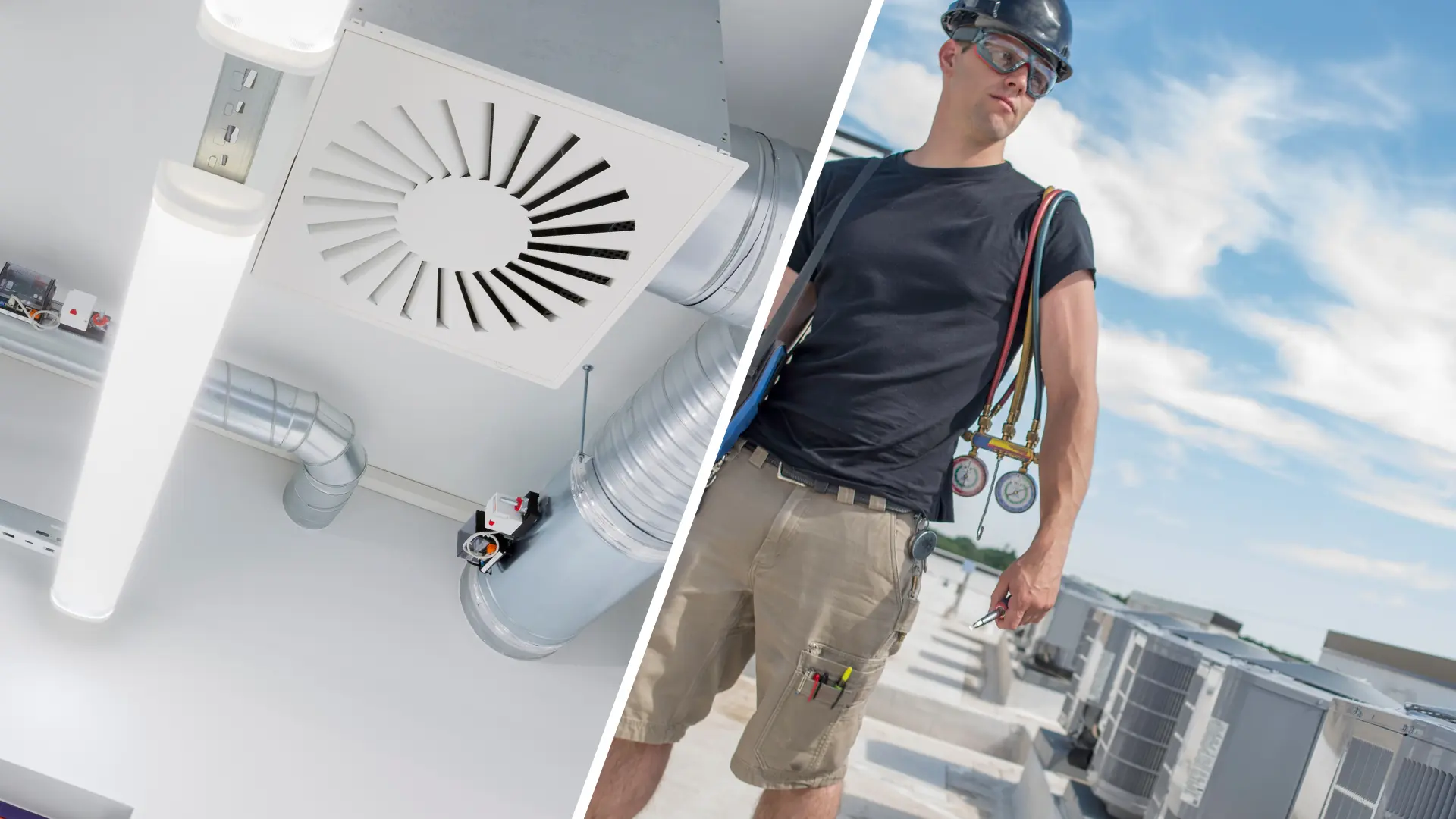
Locate the HRV or ERV manual and identify how it is controlled. Ask whether ventilation is independently ducted or connected with the heating distribution, and whether the air-handler fan needs to run for correct operation. That relationship should be established by the installer, not guessed by changing fan settings repeatedly.
Discuss any recent renovation that changed airtightness, room use or occupancy. A new suite, finished basement or window replacement may change the practical questions the ventilation assessment needs to answer.
- Does the control schedule reflect normal occupancy?
- Has the ventilation system been balanced and serviced?
- Are accessible intake and exhaust openings unobstructed?
- Are filters maintained according to the installed model’s manual?
Use maintenance and source control together
Follow the manufacturer’s instructions for homeowner-accessible filters and cleaning. Ask a qualified contractor to assess balancing, frost-control operation and duct connections when performance is uncertain. Do not disconnect ventilation equipment to solve a comfort complaint.
Also review avoidable moisture sources. NRCan’s humidity guidance highlights exhaust ventilation and household moisture management. A control adjustment cannot repair an ongoing plumbing leak or a disconnected dryer exhaust.
If a humidifier is installed, include it in the discussion. Adding moisture while excessive condensation is already present can make diagnosis harder. Ask for an integrated plan rather than treating each appliance separately.
Plan a comfort review that produces clear next steps
Give the contractor your log, equipment model numbers, service history and a description of changes to the home. Request a written explanation of the likely causes, recommended settings, maintenance work and any further testing needed.
Read our winter thermostat guide for the heating side of the discussion. For help coordinating heating and ventilation questions, contact Envirotech Geothermal with your property and equipment details.
Common questions
Does geothermal replace an HRV?
The heat pump and ventilation system perform different functions. Ask your contractor how the home’s outdoor-air and exhaust needs are provided.
Is an ERV always better than an HRV in Alberta?
No universal choice fits every building. Moisture conditions, occupancy, climate and the ventilation design all matter.
Should I turn ventilation off when the house feels dry?
Avoid making that the default response. Check the installed manual and have the controls and airflow reviewed so fresh-air needs remain addressed.
Related guides
Plan with Envirotech Geothermal
Bring your property details, equipment information and questions to a discussion with the Envirotech team.
Contact EnvirotechPrepared by Envirotech Geothermal Team. General planning information; the installed equipment and property need their own assessment. Sources reviewed November 17, 2026: Natural Resources Canada: heat and energy recovery ventilators.