
When it comes to creating a truly energy-efficient home, few combinations are as powerful as Geothermal and Solar Energy. Together, they represent the pinnacle of sustainability — harnessing both the steady heat from beneath the earth and the abundant power of the sun to provide clean, renewable comfort all year long.
Across Canada, homeowners are increasingly investing in this geothermal and solar energy partnership to reduce utility bills, achieve net-zero energy, and contribute to a greener planet. In this article, we’ll explore how this combination works, the benefits it brings, and how to determine if your home is ready to join the renewable revolution.
Why Geothermal and Solar Energy Are the Perfect Match
Two Forces of Nature Working Together
Geothermal and Solar Energy complement each other beautifully. Geothermal systems provide consistent heating and cooling by transferring energy between your home and the ground. Solar panels, on the other hand, convert sunlight into electricity to power your appliances — and even your geothermal heat pump.
This partnership creates a hybrid heating and cooling setup where one renewable source supports the other. When combined, they can significantly reduce your dependence on fossil fuels and bring you closer to achieving complete energy independence.
Sustainable Home Comfort in Every Season
In Canada, we face long winters and dramatic seasonal shifts. That’s where Geothermal and Solar Energy excel. While your geothermal system extracts steady heat from the ground during freezing months, your solar panels can generate the electricity needed to power it.
In summer, the process reverses — your geothermal system cools the home while the solar panels offset energy use from air conditioning. This balanced energy exchange creates a stable, sustainable home environment year-round.
How Geothermal and Solar Energy Work Together
Understanding the Geothermal System
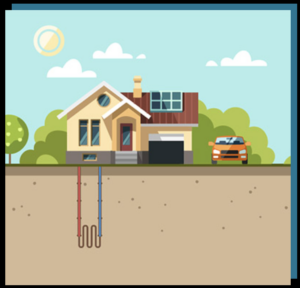
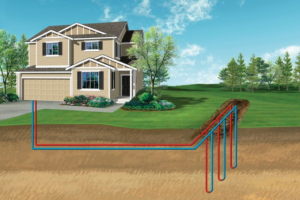
A geothermal heating and cooling system (also known as a ground-source heat pump) uses buried loops filled with a water-based solution to transfer thermal energy between the earth and your home. Because underground temperatures remain constant (around 8–10°C across most of Canada), this system delivers reliable heating in winter and cooling in summer.
The only external power it needs is electricity to run the heat pump and circulation pumps — and that’s where solar comes in.
The Role of Solar Energy
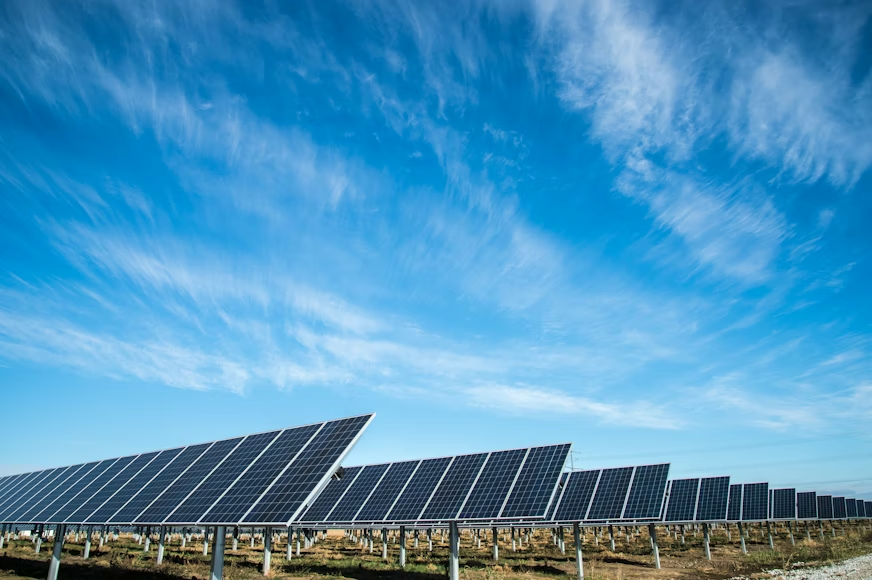
Solar photovoltaic (PV) panels convert sunlight directly into electricity. When paired with your geothermal setup, the solar array can generate the power needed for the heat pump, reducing — or even eliminating — your reliance on grid electricity.
Homeowners using Geothermal and Solar Energy together often see their energy bills drop dramatically, with some achieving full net-zero status where they produce as much energy as they consume over the year.
The Hybrid Heating and Cooling Effect
When integrated, Geothermal and Solar Energy systems form a self-sustaining loop:
- Solar panels generate electricity during the day.
- The geothermal system uses that power to regulate home temperature.
- Excess solar energy can charge batteries or feed back into the grid.
This hybrid heating and cooling approach ensures optimal comfort, even during periods of limited sunlight, because geothermal systems remain efficient regardless of weather or season.
The Benefits of Pairing Geothermal and Solar Energy
1. Maximum Energy Efficiency
Together, Geothermal and Solar Energy deliver one of the highest energy efficiency ratios available for home systems. Geothermal units can operate at 400–500% efficiency, meaning for every unit of electricity used, they generate four to five units of heating or cooling. When solar panels provide that electricity, your home essentially runs on free, renewable energy.
This combination drastically reduces your carbon footprint while optimizing long-term savings.
2. Lower Utility Costs
By pairing Geothermal and Solar Energy, homeowners in Canada can cut their energy bills by up to 80–90%. Solar panels offset the power consumed by the heat pump, and the geothermal system minimizes heating and cooling demand — the two largest energy expenses in most households.
Even during cloudy or snowy days, the geothermal system remains efficient, while battery storage or grid-tied solar systems ensure you always have power when needed.
3. Reduced Environmental Impact
This geothermal solar combination produces zero on-site emissions, making it one of the cleanest energy solutions available. Traditional furnaces and air conditioners release greenhouse gases, but geothermal and solar systems rely solely on renewable sources — the earth and the sun — for sustainable operation.
By investing in this eco-friendly partnership, you’re contributing to Canada’s goal of achieving a net-zero carbon economy by 2050.
4. Long-Term Financial Stability
With energy prices continuing to rise across Canada, locking in renewable energy sources provides long-term financial security. The initial investment in Geothermal and Solar Energy is offset by:
- Lower monthly utility bills.
- Provincial and federal incentives (like the Canada Greener Homes Grant).
- Increased property value due to sustainable upgrades.
Over time, this combination pays for itself — and then continues to generate savings for decades.

5. Sustainable Home Design for the Future
Integrating Geothermal and Solar Energy is a cornerstone of energy-efficient home design. Builders and homeowners across Canada are incorporating these systems during new construction or retrofits to future-proof their properties.
The result is a home that not only meets today’s energy needs but also aligns with tomorrow’s environmental standards.
Why This Duo Works Especially Well in Canada
Geothermal Systems Thrive in Canadian Soil
The stable underground temperature makes geothermal systems ideal for Canadian climates. Even when air temperatures drop below –30°C, the ground remains warm enough for efficient heat transfer.
This means your renewable energy systems in Canada stay reliable and consistent year-round.
Solar Technology Adapts to Canadian Conditions
Solar power doesn’t need hot weather to perform well — it only needs sunlight. Modern photovoltaic panels are designed to work efficiently in cold, clear conditions, which are common across Canadian winters. Snow can even reflect sunlight, slightly improving performance in some cases.
Together, Geothermal and Solar Energy take advantage of Canada’s natural resources — underground heat and abundant sunlight — to create a fully sustainable home system.
The Process of Integrating Geothermal and Solar Energy
Step 1 – Energy Assessment
Before installation, your contractor will perform a detailed energy audit to determine your home’s heating and cooling load, available land for ground loops, and roof space for solar panels.
Step 2 – System Design
The next step involves designing both systems to complement each other. The geothermal solar combination ensures the solar array’s size matches your geothermal power needs, creating a balanced energy cycle.
Step 3 – Installation
- The geothermal system involves installing ground loops (either horizontally or vertically) and an indoor heat pump.
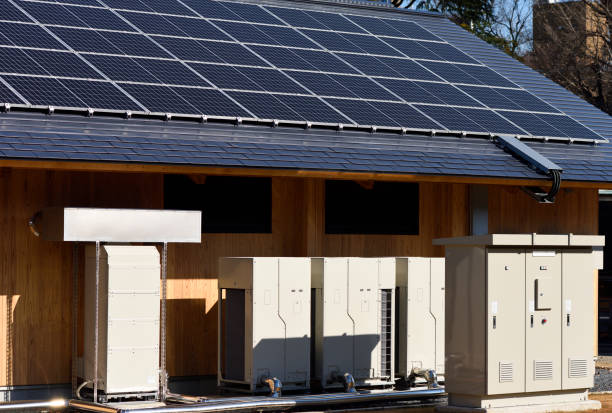
- The solar system includes mounting panels, inverters, and wiring to your electrical system.
Once connected, the solar power generated can directly feed your geothermal heat pump and other home devices.
Step 4 – Monitoring and Maintenance
Modern systems come with smart monitoring technology to track energy production and consumption. Both systems require minimal maintenance, ensuring long-term performance and peace of mind.
Financial Incentives for Geothermal and Solar Energy in Canada
Combining Geothermal and Solar Energy also makes you eligible for several federal and provincial incentives:
- Canada Greener Homes Grant – Offers up to $5,000 toward eligible energy-efficient home upgrades.
- Clean Energy Improvement Programs (CEIP) – Municipal financing options for homeowners to pay off renewable energy installations through property taxes.
- Net Metering Programs – Credits you for any excess solar energy sent back to the grid.
These programs help reduce upfront costs and accelerate your return on investment.
Overcoming Common Misconceptions
“Geothermal and Solar Energy Are Too Expensive.”
While upfront costs can be higher, the long-term savings are significant. The combination of government incentives, low maintenance, and energy savings often results in full payback within 7–12 years.
“They Won’t Work in Canadian Winters.”
This is a common myth. In reality, both systems are designed for harsh climates. Geothermal and Solar Energy remain efficient even during snow and subzero temperatures.
“Maintenance Is Complicated.”
Both systems are remarkably low-maintenance. Geothermal systems only require periodic filter checks and loop inspections, while solar panels need occasional cleaning and annual inspections.
Real-World Example — Alberta Homeowners Going Green
In Alberta, where energy costs can be unpredictable, many families are choosing Geothermal and Solar Energy to gain independence from utility companies.
By pairing a 10kW solar array with a hybrid heating and cooling geothermal setup, a typical homeowner can eliminate up to 90% of annual energy costs. Over 25 years, that translates into tens of thousands of dollars in savings — all while supporting sustainable home solutions that benefit future generations.
Future-Proofing Your Home with Renewable Energy Systems
The transition toward renewable energy systems in Canada is accelerating, and homeowners who adopt Geothermal and Solar Energy early enjoy a major advantage. With fossil fuel prices rising and grid electricity becoming less predictable, self-powered homes will not only save more but also have higher resale value.
By integrating both technologies, you’re investing in a cleaner, more stable energy future — one that aligns perfectly with modern sustainable home solutions and smart living.
Ready to Build Your Sustainable Future?
Pairing Geothermal and Solar Energy is more than an upgrade — it’s a transformation. Together, they create an energy ecosystem that’s efficient, renewable, and resilient enough to handle Canadian winters.
At Envirotech Geothermal, we specialize in designing and installing these integrated systems for homeowners who want the ultimate sustainable home solution. Our experts will assess your property, explain your options, and help you take advantage of rebates and financing.
👉 Contact Envirotech Geothermal today to explore how Geothermal and Solar Energy can power your home sustainably for decades to come. Let’s work together to build a cleaner, more energy-efficient Canada — one home at a time.
FAQs About Geothermal and Solar Energy
1. How long does a geothermal heat pump last?
A geothermal heat pump typically lasts 20–25 years, and the underground loop system can exceed 50 years with minimal maintenance. This long lifespan makes it a cornerstone of energy-efficient home design.
2. Do solar panels produce enough energy in winter?
Yes! Modern solar panels perform efficiently even in cold, snowy weather. While shorter daylight hours may reduce total output, the system remains effective — especially when paired with Geothermal and Solar Energy, which minimizes overall energy demand.
3. Can I add solar to my existing geothermal system?
Absolutely. Many homeowners retrofit solar panels onto their existing geothermal setups. A professional assessment will help size your system properly for balanced performance and optimal savings.