Alberta geothermal planning guide
Geothermal noise should be considered while planning the mechanical room, ducts and nearby living spaces. Discuss sound expectations before installation, and investigate a new or changing noise rather than assuming every hum or vibration is normal.
Discuss your projectDescribe the sound you want to manage
“Quiet” means different things in a utility room, bedroom and home office. Walk through the proposed equipment location with the designer and identify the spaces where sound would be most disruptive. Include rooms above the mechanical area and any planned basement bedrooms.
Explain how the home is used: overnight shift work, recording, calls or a sleeping infant can change placement priorities. Ask the contractor to record these priorities in the design discussion rather than leaving the conversation at a general promise of quiet operation.
Start with the system overview if you need to distinguish the heat pump, circulation equipment and air distribution.
Separate equipment sound, airflow and transmitted vibration
A complaint may involve the equipment itself, air moving through registers, or vibration travelling into the building. Identifying where and when the sound occurs helps the contractor choose what to inspect. Record whether it happens at startup, during steady operation or only in a particular mode.
Take a brief recording from the same room and position when a problem recurs, provided it is safe to do so. Note the thermostat mode and any displayed message. A phone recording is useful context, but it is not a calibrated sound test or a substitute for an on-site assessment.
Avoid labelling every sound as a compressor fault. The contractor should review the actual installation before recommending repairs.
Review placement without compromising access
Ask how the equipment will be supported, how connected pipes and ducts will be arranged and how service access will be maintained. The installation must follow the selected manufacturer’s requirements. Sound treatment should be coordinated with those requirements rather than improvised around the unit afterwards.
Discuss the surrounding construction while access is still available. A finished wall, ceiling or cupboard can make later work more difficult. Leave the contractor a clear view of future renovation plans so today’s mechanical room does not become tomorrow’s bedroom wall without consideration.
- Where is the equipment relative to sleeping and working areas?
- Which surfaces or connections could carry vibration?
- Can filters and service panels be reached comfortably?
- Who coordinates any proposed building or acoustic work?
Include ducts and registers in the discussion
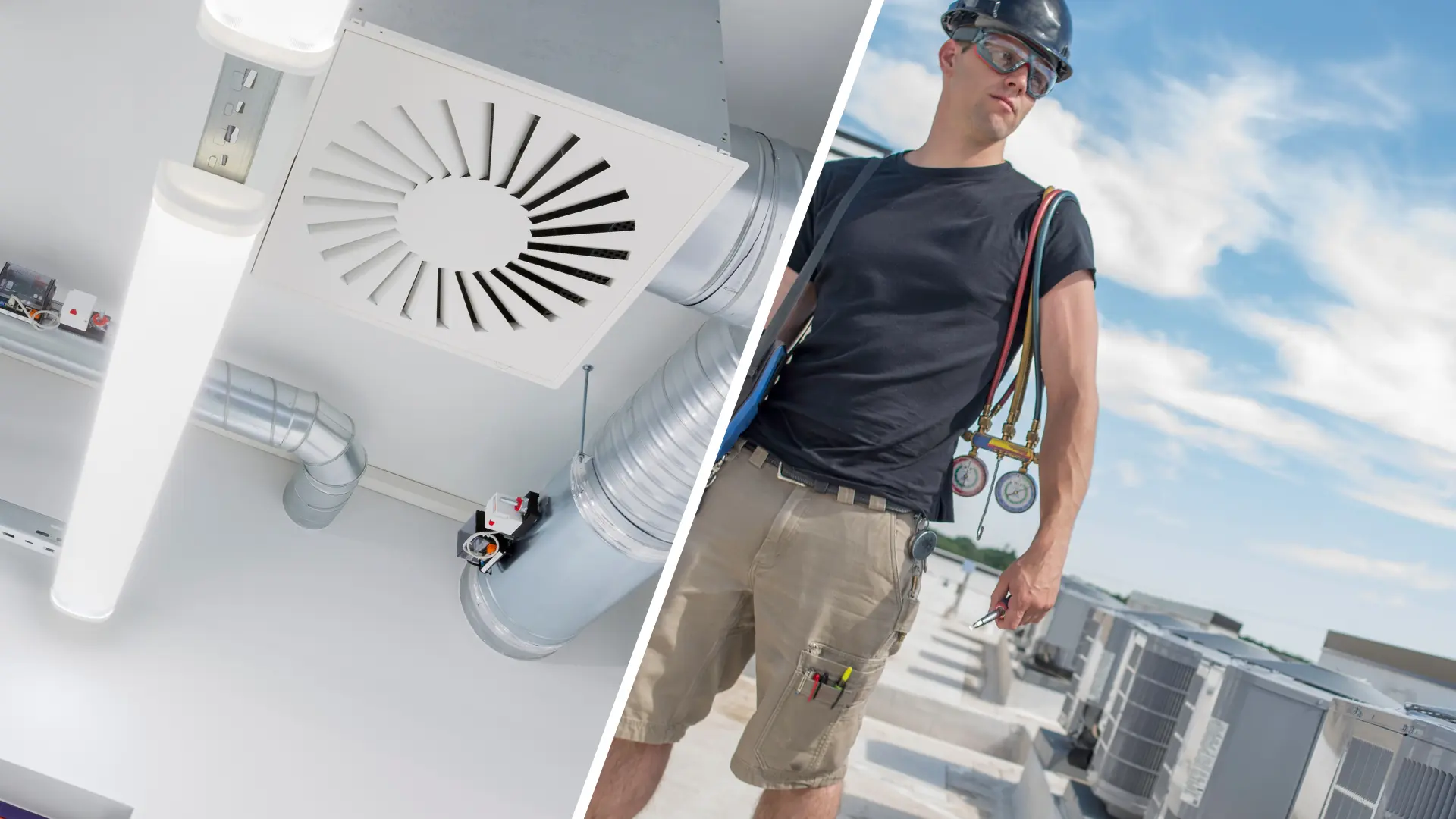
If sound is strongest at supply or return openings, ask the installer to assess the distribution design and operating airflow. Do not close a collection of registers or add restrictive materials in an attempt to silence the system; those changes can interfere with the intended air path.
Renovations can also change how sound is perceived. A previously open basement, a new door or a moved return grille may create a complaint without a change inside the heat pump. Bring those details to the assessment.
Our existing ductwork guide explains why the distribution system deserves a design review alongside the equipment.
Agree on a handover and follow-up process
At handover, ask the installer to demonstrate the normal operating modes and explain which changes should trigger a service call. Keep the model-specific manual accessible. Manufacturer guidance, such as the WaterFurnace owner’s manual, directs owners to qualified service personnel for work beyond basic homeowner tasks.
If a noise is new, repeated or accompanied by an alarm, describe it to the service provider. Do not remove panels, adjust mounts or alter electrical and refrigerant components yourself.
Contact Envirotech to discuss equipment location, distribution and comfort priorities for your Alberta property.
Common questions
Are geothermal systems completely silent?
No operating mechanical system should be described as universally silent. Perceived sound depends on the equipment, installation, operating mode and surrounding building.
Should I close registers to reduce noise?
Do not make airflow restrictions your default fix. Ask the installer to assess the distribution system and explain the appropriate solution.
What should I record for a service call?
Note the room, timing, operating mode, displayed messages and whether the sound is new. A safe short recording can help describe the symptom.
Related guides
Plan with Envirotech Geothermal
Bring your property details, equipment information and questions to a discussion with the Envirotech team.
Contact EnvirotechPrepared by Envirotech Geothermal Team. General planning information; the installed equipment and property need their own assessment. Sources reviewed November 17, 2026: WaterFurnace: residential owner’s manual.