Alberta homeowner guide
Backup heat for a cold snap and backup power for an outage solve different problems. A geothermal system needs electricity for the heat pump, circulation and distribution. A reliable winter plan explains how the system meets peak heating demand and what happens if electrical service is interrupted.
Discuss your projectSeparate peak-demand support from outage protection
Supplemental heat helps when the home’s heating demand exceeds the heat pump’s available output or when controls call for faster recovery. Depending on the design, this may involve electric resistance heat or another heating source.
That equipment may still require electricity. An electric heater cannot supply outage protection without an adequate power source. A gas furnace generally also needs power for its controls and blower. Fuel availability alone does not mean a heating system will operate during an electrical outage.
Ask for two written explanations: the normal cold-weather heating strategy and the outage response plan. Keeping these questions separate prevents a reassuring phrase such as “backup included” from concealing what the equipment can actually do.
Review capacity at the design conditions
The heating plan should begin with a building heat-loss calculation and appropriate local design conditions. Ground-source equipment draws from a ground loop, but loop fluid temperatures and available capacity still change with the installation and operating conditions.
Ask how much of the design load the heat pump will meet and when supplemental heat is expected to operate. A system designed with some auxiliary contribution is different from one expected to meet the entire peak load without it. Both the equipment selection and the financial estimate should disclose that choice.
Our geothermal winter performance guide and sizing guide explain the relationship between the building, heat pump and loop. A nominal tonnage rating alone does not establish cold-snap performance.
Make controls and electrical requirements part of the design
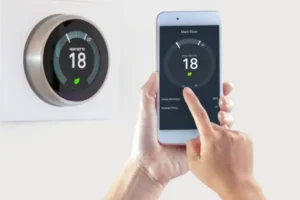
Heating stages, temperature recovery and protective controls determine when different parts of the system run. Ask the installer to show you the normal thermostat indications and explain which user actions can call for additional heat.
The electrical design must account for the equipment actually installed, including auxiliary heaters and other relevant loads. If backup power is being considered, share that intention early. Retrofitting a generator or battery system later may require additional equipment, wiring or changes to the selected operating strategy.
Do not disable auxiliary heat or alter protective settings to reduce electricity consumption without a technical review. Those controls may be part of the agreed heating and equipment protection plan. Unexpected operation should be investigated using actual measurements and operating history.
Build an outage plan around essential loads
Identify the loads that need to operate during an outage: heating equipment, loop pumps, air handlers, controls, water supply equipment and any other essential household services. A qualified electrical professional should assess running demand, starting requirements and safe connection arrangements.
Do not choose backup power solely by the heat pump’s nominal heating capacity. Heating output is not the same as electrical input, and compressor starting characteristics matter. Battery runtime also depends on usable storage, demand and conditions.
For rural properties, discuss well pumps and other services as well as heat. A backup system that powers only part of the heating installation may not provide useful comfort. Acreage planning should include these operational details, especially for homes with frequent interruptions.
Use safe emergency procedures
Follow Alberta’s power outage guidance and your local utility’s instructions. Keep a practical plan for communications, essential supplies and checking on vulnerable household members.
Generators require appropriate outdoor placement and safe electrical connection. Never use combustion equipment intended for outdoor use inside the home or garage, and do not feed power into household wiring through an improvised connection. Use qualified professionals for a permanent backup power installation.
If an extended winter outage is possible, ask about plumbing protection and safe temporary relocation. A heat pump does not make a building immune to freezing when power is unavailable. Follow the equipment instructions for restarting after service returns and contact a technician if faults persist.
Keep a simple winter handover checklist
- Know which heating stages are installed and when they normally operate.
- Keep thermostat and equipment instructions accessible.
- Confirm the backup power loads and operating limits, if installed.
- Record the installer, utility and emergency contact details.
- Have a plan for an extended interruption, including plumbing and household needs.
Check the plan before winter rather than during the first major outage. Test backup arrangements only according to the manufacturer’s instructions and professional guidance. A scheduled service review can also identify faults or maintenance needs before peak demand.
Discuss backup heating with Envirotech when planning an installation or reviewing an existing system. The best solution is the one designed around your home’s loads, electrical supply and tolerance for interruptions.
Common questions
Will geothermal work when the power is out?
Not without a suitable power supply for the complete system. The heat pump, pumps, controls and distribution equipment need electricity.
Does electric auxiliary heat protect me in an outage?
Only if an adequate backup power source is available. Auxiliary heat normally addresses heating capacity, not loss of electrical service.
Can a small generator run a geothermal system?
That depends on the equipment and connected loads. Have a qualified electrical professional assess starting and running requirements.
Continue your research
Explore the Alberta geothermal learning centre for connected guides on design, comfort, installation and costs.
Plan with Envirotech Geothermal
Bring your property details, existing equipment information and questions to a discussion with the Envirotech team.
Contact EnvirotechExplore residential geothermalPrepared by Envirotech Geothermal Team. Technical or planning reference: Government of Alberta guidance. Reviewed October 4, 2026.